











Key Takeaways
-
Institutional security standards: Top tier platforms mandate strict access controls and digital rights management to protect intellectual property during negotiations.
-
Predictable pricing models. Founders must secure flat rate subscription tiers because legacy providers often enforce unpredictable per page fees that drain operational capital.
-
Frictionless user experience: Intuitive navigation ensures that analysts and partners can locate critical financial models and legal documents without unnecessary delays.
-
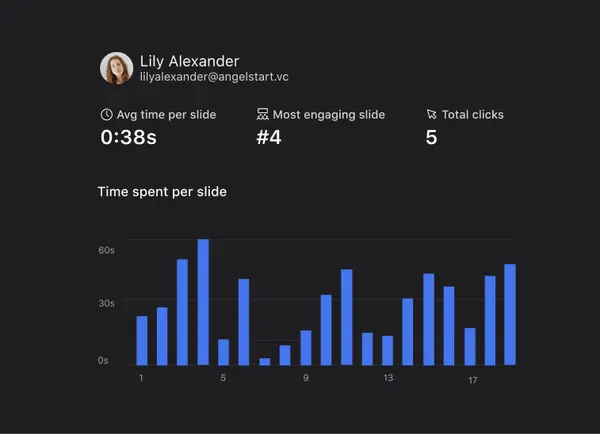
Investor analytics tracking. Monitoring document engagement inside the data room provides founders with strategic leverage to prioritize follow up conversations.
-
Seamless software integrations: Modern platforms sync directly with existing cloud workflows to maintain strict version control during rapid deal execution.
What is VC Fund Management Software?
VC fund management software is a specialized digital platform designed to help General Partners (GPs) and venture capital operators manage the entire lifecycle of a venture fund. Unlike traditional fund management software, which is often built for liquid assets, hedge funds, or broad private equity, VC-specific solutions focus on the unique mechanics of venture capital. This includes managing early-stage deal flow, executing capital calls, tracking illiquid portfolio company metrics, and automating reporting for Limited Partners (LPs).
Why Venture Capital Investors Need Purpose-Built Software
Venture capital investing requires a careful balance of relationship management, rapid decision-making, and rigorous financial oversight. As a fund scales from early-stage checks to follow-on rounds, managing multiple portfolio companies and maintaining compliance can quickly overwhelm a lean GP team using fragmented spreadsheets.
Deploying the right VC fund management software transitions a firm from reactive administration to proactive strategy. By centralizing operations into a single source of truth, modern VC platforms allow funds to:
- Automate Fund Administration: Streamline the mechanics of deploying and returning capital, including capital calls, distributions, and tax document generation (e.g., K-1s).
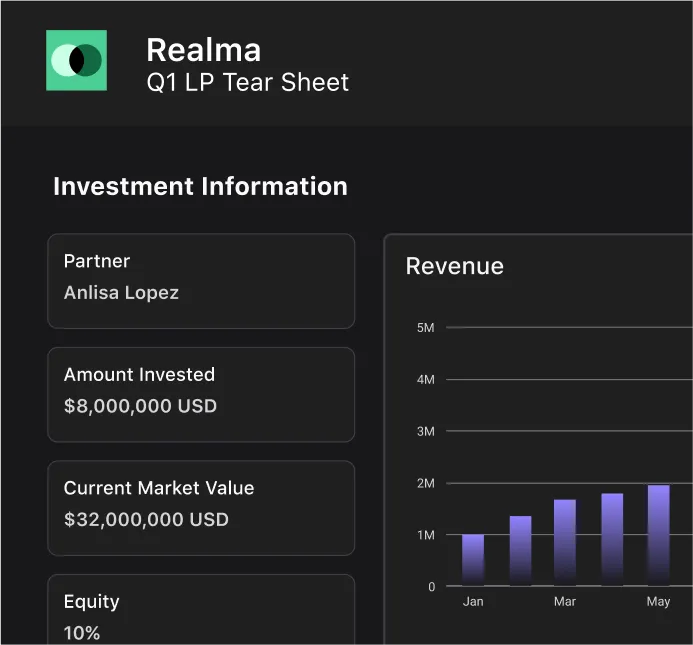
- Enhance LP Transparency: Provide Limited Partners with secure, on-demand investor portals to view fund performance, real-time IRR (Internal Rate of Return), and MOIC (Multiple on Invested Capital).
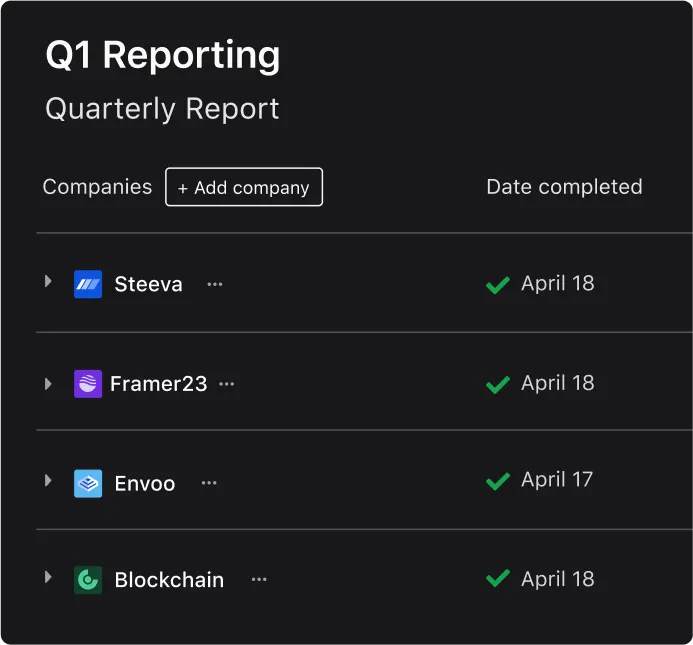
- Centralize Portfolio Tracking: Move beyond static updates by automatically capturing and structuring key performance indicators (KPIs) and financial data directly from portfolio founders.
- Optimize Deal Flow: Integrate CRM capabilities to track founder interactions, manage due diligence pipelines, and securely host data rooms.
Ultimately, robust fund management software acts as the operational backbone of a firm. It eliminates administrative friction, allowing investors to spend less time formatting financial reports and more time doing what matters: sourcing high-conviction deals and supporting their portfolio founders.
Why General Fund Management Software Often Fails VCs
While many platforms market themselves as fund management software, most are built for the high-volume, liquid world of hedge funds or the standardized structures of broad private equity. Venture capital is different. VC funds deal with long-term illiquidity, complex cap table dilutions, and non-standard reporting cycles. Using generic fund management software often leads to "spreadsheet debt," where GPs must manually bridge the gap between their software and the reality of their startup portfolio.
Key Features of the Best VC Fund Management Software
To move beyond manual tracking, the best VC fund management software must provide a unified view of both the fund’s health and the portfolio's performance. When evaluating a tech stack, prioritize these four pillars:
1. Automated Fund Accounting & Administration
Venture capital requires rigorous accounting that handles the nuances of capital calls and distributions.
- Capital Call Automation: Look for tools that generate and distribute call notices to LPs in minutes, not days.
- Waterfall & Carry Calculations: Ensure the platform can model complex distribution hurdles and carried interest tiers automatically.
- Tax & Audit Readiness: The software should streamline the generation of K-1s and provide a clean audit trail for year-end reviews.
2. Real-Time Portfolio Monitoring
Managing a fund effectively requires deep visibility into "the ground truth" of your portfolio companies.
- Founder Data Collection: The platform should offer automated workflows for founders to submit monthly or quarterly KPIs.
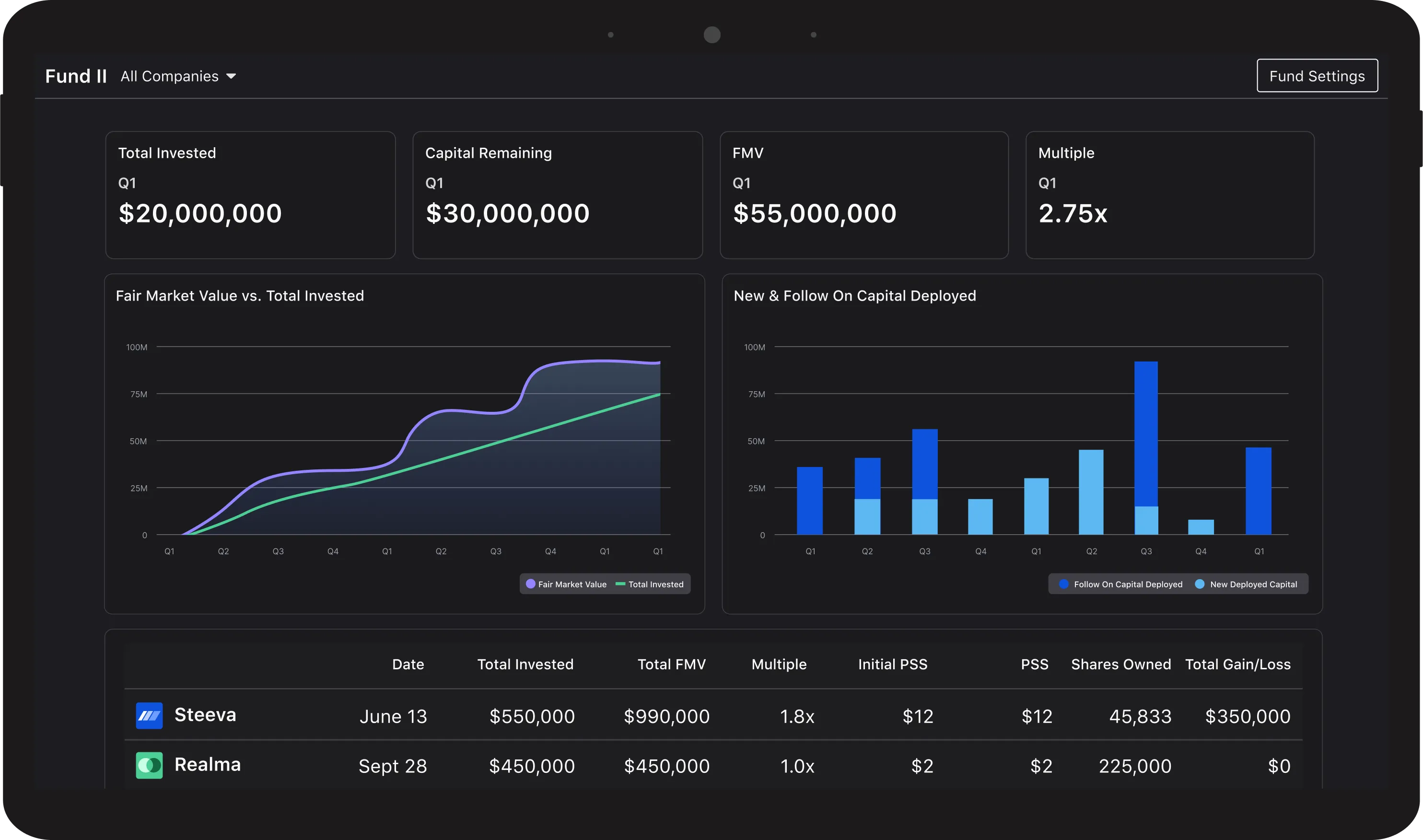
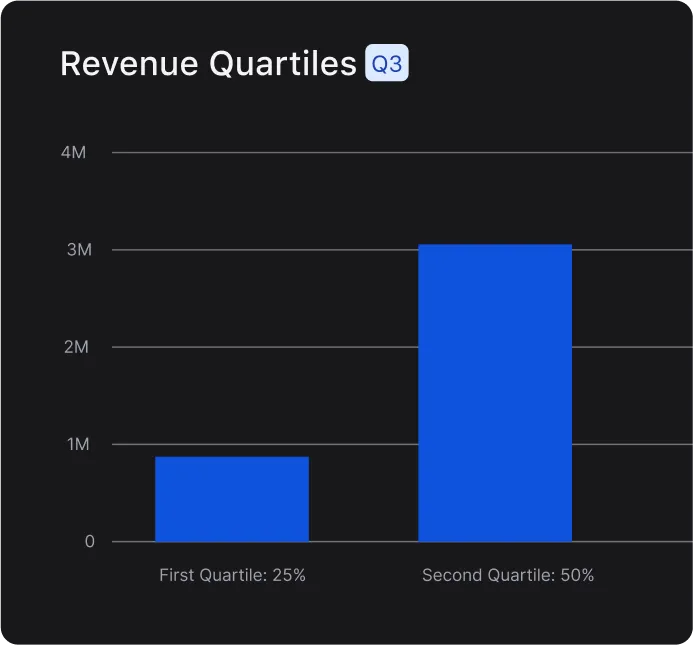
- Valuation Tracking: Monitor VC portfolio management metrics like MOIC (Multiple on Invested Capital) and IRR (Internal Rate of Return) based on the latest priced rounds.
- Cap Table Integration: Direct links to cap table providers allow you to track diluted ownership and pro-rata rights in real-time.
3. Investor Relations & LP Portals
Maintaining strong relationships with Limited Partners is a competitive advantage.
- On-Demand Portals: Provide LPs with a secure login to view their individual performance, dry powder, and historical documents.
- Secure Document Vaults: Centralize subscription agreements, side letters, and quarterly reports in a single, encrypted location.
4. Deal Flow & CRM Integration
Your VC fund management software should not exist in a vacuum; it should be the final destination for data that begins in your deal flow pipeline.
- Pipeline Management: Track a startup from the first intro through due diligence to the final IC (Investment Committee) memo.
- AI-Powered Insights: Modern platforms now use machine learning to flag "breakout" potential in your pipeline based on historical sector performance.
How AI is Transforming VC Fund Management Software
Artificial intelligence has moved from a buzzword to a baseline requirement for competitive venture firms. Today, modern fund management software is evolving from a static system of record into an active intelligence layer.
Instead of replacing the human element of investing, AI within VC fund management software acts as a force multiplier for lean GP teams, allowing them to process vast amounts of unstructured data. Here is how top-tier platforms are deploying AI:
- Signal Extraction & Deal Sourcing: AI tools scrape alternative data sources, such as GitHub commits, product launches, headcount growth, and academic papers, to identify breakout startups long before they announce a fundraising round.
- Automated Due Diligence: Natural Language Processing (NLP) and LLMs can instantly summarize hundreds of pages within a data room. This allows associates to rapidly digest complex legal documents, historical financials, and cap tables, accelerating the time-to-issue for investment memos.
- Predictive Portfolio Analytics: Post-investment, AI models analyze historical startup data to spot patterns. By monitoring your portfolio's cash burn rates and growth metrics, the software can proactively flag which founders are approaching a cash-out date or which are showing strong signals for a follow-on investment.
"Over 235 venture firms have embraced data, automation, and AI to drive better decisions, stronger returns, and leaner teams.” -Data-Driven VC Landscape Report
Firms that integrate AI-native capabilities into their broader VC fund management software stack gain a distinct edge in sourcing proprietary deal flow and acting on data faster than legacy competitors.
The Hidden Costs of "Free": Bootstrapped Stacks vs. Purpose-Built Platforms
Many emerging managers launch their initial funds using a bootstrapped approach. They stitch together general-purpose tools, spreadsheets for cap tables, Airtable for pipeline tracking, and Notion for deal memos. While this acts as a "free" alternative to dedicated fund management software, it introduces significant operational debt as the firm scales.
Relying on fragmented systems means your data is siloed. When an LP asks for a real-time update on their specific DPI (Distributions to Paid-In capital), extracting that answer from a spreadsheet takes hours of manual reconciliation.
Upgrading to premium, purpose-built VC fund management software shifts the focus from manual data entry to strategic analysis. Here is how bootstrapped tech stacks compare to institutional-grade platforms:
| Feature/Metric | Bootstrapped Stack (Spreadsheets / Basic CRM) | Purpose-Built VC Fund Management Software |
|---|---|---|
| Initial Cost | Low to Free (Standard SaaS subscriptions). | Higher (Platform licensing, often scaled by AUM). |
| Data Integrity | High risk of manual entry errors and broken formulas. | Single source of truth with automated data validation. |
| LP Experience | Static, manual PDF reports sent via email. | Secure, white-labeled investor portals with on-demand data. |
| Compliance & Tax | Requires external accountants to build K-1s from scratch. | Automated audit trails and streamlined tax document generation. |
| Scalability | Breaks down around Fund II or when managing 20+ SPVs. | Built to seamlessly manage multiple funds, SPVs, and complex carry structures. |
Ultimately, investing in a premium platform is not just about unlocking new features; it is about institutionalizing your firm. When raising Fund II or Fund III, institutional LPs will scrutinize your back-office infrastructure closely. Having a robust platform in place signals maturity, security, and a commitment to protecting their capital.
How to Choose the Right VC Fund Management Software for Your Tech Stack
Selecting the right platform is not a one-size-fits-all decision. The ideal fund management software for a solo GP raising their first $10M fund will buckle under the complexity of an institutional firm managing $500M+ across multiple parallel funds and SPVs.
When evaluating platforms, align your tech stack with your firm's current stage and immediate growth trajectory:
1. Emerging Managers (Fund I / Sub-$50M AUM)
- The Goal: Establishing operational credibility without over-engineering your workflows.
- What to Look For: Prioritize core fund accounting, automated capital call generation, and seamless integrations with established cap table providers (like Carta or Pulley). Look for user-friendly LP portals that make your firm look institutional to early backers.
2. Scaling Firms (Fund II & III / $50M - $250M AUM)
- The Goal: Breaking down data silos and automating complex financial reporting.
- What to Look For: At this stage, your VC fund management software must offer robust API capabilities. It needs to sync seamlessly with your firm's General Ledger (e.g., QuickBooks or NetSuite). You also need advanced CRM functionalities to manage a growing pipeline and automated K-1 generation for a larger LP base.
3. Institutional Funds ($250M+ AUM / Multi-Fund Structures)
- The Goal: Enterprise-grade security, extreme customization, and multi-entity management.
- What to Look For: Institutional LPs require institutional security. Only consider platforms with strict SOC 2 Type II compliance. The software must natively handle complex waterfall distributions, custom carry modeling, and the administration of sophisticated SPV (Special Purpose Vehicle) networks.
The Non-Negotiable Vendor Checklist
Regardless of fund size, never sign a contract without verifying the following:
- Data Portability: Can you easily export your historical data if you choose to migrate platforms in five years?
- Security Infrastructure: Is the data encrypted at rest and in transit? Do they offer Role-Based Access Control (RBAC) for your team?
- Venture-Specific Architecture: Ensure the vendor explicitly builds for venture capital, rather than trying to retrofit a generic private equity or real estate fund management software template to fit your needs.
Building a Modern VC Tech Stack: Beyond Point Solutions
To operate efficiently, venture firms cannot rely on a patchwork of isolated applications. They need an interconnected tech stack. While individual point solutions serve specific functions, the trend among top-tier firms is to consolidate or deeply integrate operations into a comprehensive VC fund management software platform that serves as the firm's central system of record.
When building or auditing your firm's infrastructure, ensure you have these core operational pillars covered:
- CRM & Deal Flow Tracking: Purpose-built venture CRMs (rather than generic B2B sales tools) track relationship networks, warm introductions, and the real-time status of startups moving through your due diligence pipeline.
- Cap Table & Ownership Management: Platforms dedicated to tracking share issuance, option pools, and pro-rata rights. These ensure the fund's internal ownership math perfectly matches the founder's official cap table.
- Portfolio Monitoring & KPI Collection: Systems designed to automate the ingestion of monthly financials and operating metrics directly from portfolio founders, replacing chaotic email follow-ups with structured data.
- Fund Administration & LP Reporting: The financial engine handling the back-office complexities of capital calls, distribution waterfalls, and secure document vaults for Limited Partners.
Instead of forcing analysts and associates to juggle half a dozen different logins, the most effective fund management software either provides these features natively or offers seamless, two-way API integrations with the industry's leading specialized tools. This interconnected approach eliminates duplicate data entry and provides GPs with a holistic, real-time view of both the fund's overall health and individual portfolio performance.
Frequently Asked Questions
How does VC fund management software impact a startup's due diligence process?
Venture capital firms use dedicated fund management software to rapidly ingest and analyze a startup's historical financials, cap table, and legal documents. Standardizing your data to match their ingestion needs significantly accelerates the time from pitch to term sheet.
- Founders should maintain clean, exportable CSVs of all cap table structures and historical metrics.
- Organizing documents logically prevents delays when analysts upload files to their internal deal flow pipelines.
- Predictable, standardized reporting formats build immediate trust with the firm's investment committee.
What specific metrics do venture capital firms track using their portfolio management tools?
Post-investment, GPs input your startup's performance data into their VC fund management software to calculate real-time fund health metrics like IRR and MOIC. They rely on founders to provide consistent, accurate monthly updates to feed these automated systems.
- Monthly cash burn and runway calculations are the most frequently monitored operational data points.
- Top-line revenue growth and customer acquisition costs dictate internal follow-on funding decisions.
- Changes to fully diluted ownership are tracked closely after new option pool authorizations or SAFE conversions.
Which virtual data room providers do institutional investors prefer during fundraising?
Institutional investors generally do not mandate specific virtual data room providers, prioritizing strict access controls and organized folders over specific brand names. Firms simply need a secure environment where their analysts can seamlessly download files into their internal management platforms.
- Choose a provider that offers SOC 2 Type II compliance and granular, role-based permission settings.
- Avoid platforms that force busy investors to create complex new accounts just to view standard pitch decks.
- Ensure the platform allows bulk downloading so associates can quickly export data to their localized VC tools.
How should founders format their cap table for easy integration with a VC’s tech stack?
Founders must avoid complex, custom-built spreadsheets, as these frequently break when imported into a firm's VC fund management software. Utilizing an industry-standard equity management platform ensures your ownership data cleanly syncs with the investor's internal portfolio tracking tools.
- Use established platforms like Carta or Pulley to maintain a verified, single source of truth.
- Ensure all convertible notes, SAFEs, and historical option grants are fully updated before sharing access.
- Provide a clear summary of the fully diluted share count to prevent miscalculations during valuation modeling.
What are the hidden costs of choosing the wrong virtual data room providers?
Selecting inadequate virtual data room providers can lead to exorbitant per-page overage fees and critical security vulnerabilities during a highly sensitive fundraise. Founders must secure predictable pricing models that protect their operational runway while locking down their intellectual property.
- Enterprise legacy platforms often charge unpredictable fees based on data volume, draining early-stage capital.
- Poor user interfaces frustrate venture capital associates, subtly damaging your company's professional reputation.
- A lack of dynamic watermarking exposes proprietary algorithms, financial models, and customer lists to unauthorized distribution.